
Planning a wedding involves many moving parts, and photography is one of the most important aspects of the day. Your wedding photos will capture the emotions, moments, and memories that you will cherish for a lifetime. However, without a proper timeline, important moments can be rushed or even missed. Creating a well-structured wedding photoshoot timeline helps ensure that every special moment is captured smoothly and beautifully. With the right planning, couples can enjoy their big day while photographers work efficiently to document every detail.
Start with the Getting Ready Moments
The wedding day usually begins with the preparation stage, which offers some of the most emotional and intimate photo opportunities. This part of the timeline should include the bride and groom getting ready with their friends and family. Photographers typically capture details such as the wedding dress, shoes, jewelry, makeup process, and candid moments between family members. Planning at least one to two hours for these photos allows the photographer to document everything calmly without rushing. These moments set the tone for the wedding story and often result in beautiful behind-the-scenes memories.
Capture the Wedding Details
Before the ceremony begins, photographers often take time to photograph important wedding details. These include items such as rings, invitation cards, bouquets, decorations, and venue setups. These photos help tell the complete story of the wedding day. Allocating 30 to 45 minutes in the timeline for detail shots ensures that the photographer has enough time to capture these elements creatively. Many couples later appreciate these photos as they highlight the effort and planning that went into the wedding design.
Plan Time for the First Look
Many modern weddings include a “first look” moment where the couple sees each other before the ceremony. This private moment is usually emotional and creates a beautiful opportunity for natural photos. Scheduling the first look about one to two hours before the ceremony allows the photographer to capture genuine reactions without the pressure of a tight schedule. Couples who choose this option often find it helpful because it also allows time for couple portraits before the ceremony begins.
Schedule Couple Portraits
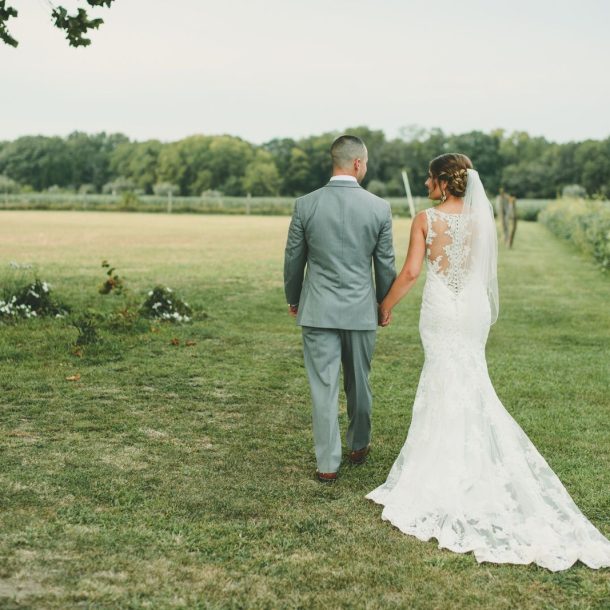
Couple portraits are one of the most important parts of the wedding photoshoot timeline. These photos capture the love and connection between the bride and groom in a relaxed setting. Ideally, couples should set aside around 30 to 45 minutes for these portraits. Photographers may choose scenic areas at the venue or nearby locations that provide beautiful backgrounds and natural lighting. Allowing enough time ensures the couple does not feel rushed and the photographer can experiment with different poses and creative compositions.
Include Family and Group Photos
Family photos are essential because weddings bring together loved ones who may not gather often. Planning these group photos carefully can save a lot of time. It is helpful to create a list of family members and groups that need to be photographed. Scheduling 30 minutes for family portraits after the ceremony usually works well. Having a coordinator or family member help organize people during this time can make the process much smoother and prevent delays.
Capture the Ceremony Moments
The wedding ceremony itself is filled with meaningful moments that should be captured naturally. These include the entrance of the bride, the exchange of vows, ring ceremonies, and the first kiss as a married couple. Since these moments happen quickly, the photographer must be prepared to capture them from the best angles. Couples should share the ceremony schedule with the photographer beforehand so they can plan their positioning and equipment accordingly. This ensures that every important moment is documented perfectly.
Plan Golden Hour Portraits
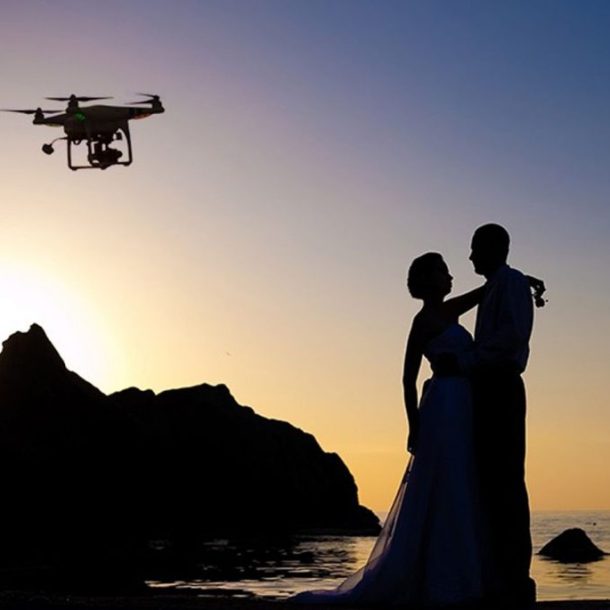
One of the most magical times for wedding photography is the golden hour, which occurs shortly before sunset. During this time, the natural light becomes soft and warm, creating a romantic atmosphere for photos. Couples should plan around 15 to 20 minutes during sunset for these portraits. These photos often become some of the most beautiful images from the entire wedding day because of the natural lighting and relaxed mood.
Document the Reception Highlights
The wedding reception is full of celebrations and joyful moments. Important events during this part of the timeline include the couple’s grand entrance, first dance, cake cutting, speeches, and dancing with guests. Sharing the reception schedule with the photographer ensures they are ready to capture each highlight. Photographers also capture candid moments of guests enjoying the celebration, which adds energy and authenticity to the wedding album.
Allow Flexibility in the Timeline
Even with careful planning, weddings sometimes experience small delays. Building a little flexibility into the photoshoot timeline helps prevent stress. Adding buffer time between major events allows the photographer to adjust if something runs late. Couples should focus on enjoying their day while trusting the photographer to capture the important moments. A relaxed schedule often results in more natural and joyful photographs.
Communicate Clearly with Your Photographer
Good communication between the couple and the photographer is essential when planning the timeline. Before the wedding day, couples should discuss their expectations, preferred photo styles, and must-have shots. Sharing the full wedding schedule allows the photographer to plan their approach and suggest improvements to the timeline if needed. Experienced photographers often know how to structure the day to get the best results while keeping everything organized.
Conclusion
A well-planned wedding photoshoot timeline plays a crucial role in capturing the beauty and emotions of the big day. By organizing time for preparations, couple portraits, family photos, ceremony highlights, and reception moments, couples can ensure that every important memory is preserved. Proper planning also helps photographers work efficiently and creatively throughout the event. When the timeline is carefully designed and communicated in advance, the wedding day becomes smoother, more enjoyable, and filled with stunning photographs that will be treasured for years to come.